The British abolitionist movement was one of the earliest and most effective popular political campaigns in modern history. Understanding it matters because it demonstrates that abolition was not a top-down governmental decision but a genuine expression of moral conviction that changed political reality over decades of sustained effort.
The movement drew on several distinct strands. The Quakers were among the earliest organised opponents of slavery, passing resolutions against it from the 1670s onward. By the 1780s, a broader coalition had formed including evangelical Christians, particularly the Clapham Sect of which Wilberforce was a member, along with secular rationalists, philosophers, and former enslaved people.
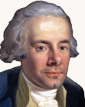
William Wilberforce is the most famous name associated with abolition, and his parliamentary persistence over nearly two decades was essential. But he was one figure in a much broader movement. Thomas Clarkson spent years travelling Britain collecting evidence of the trade’s brutality. Granville Sharp fought legal battles that established, in the 1772 Somerset case, that enslaved people could not be forcibly removed from England. Olaudah Equiano, formerly enslaved, published an autobiography in 1789 that became a bestseller and brought the human reality of slavery to a vast audience.
The movement pioneered many tactics that would become standard in later political campaigns: mass petitioning of Parliament, consumer boycotts of slave-produced sugar, public lectures, the production and distribution of pamphlets, and the use of imagery, most famously the Wedgwood medallion showing a kneeling enslaved man with the legend “Am I not a man and a brother?”
The abolitionist movement represents one of the most significant moral achievements in British political history. It deserves to be part of any honest account of Britain’s relationship with slavery.