Britain’s participation in the Atlantic slave trade is not in dispute. It happened. It lasted for approximately 150 years at serious scale. It caused immense suffering. British merchants, ship owners, and plantation operators profited from it. British institutions were implicated in it. The country bears genuine historical responsibility for what was done.
What is in dispute is whether Britain’s record is as straightforwardly damning as the reparations narrative presents it, and whether the actions Britain subsequently took alter the moral picture in any significant way.
This section presents the full picture of Britain’s involvement. That means acknowledging the extent and brutality of British participation. It also means acknowledging things that the reparations campaign consistently omits.
Britain entered the trade relatively late, after Portugal and Spain had been running it for 150 years. The people who profited were a specific class of merchants, planters, and financiers. The majority of the British population had no stake in the trade and many actively opposed it.
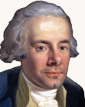
Britain produced, in the abolitionist movement, one of the first sustained popular campaigns anywhere in the world against slavery. That movement eventually succeeded in abolishing the slave trade in 1807 and slavery itself in 1833. These were not inevitable outcomes. They were the result of decades of organised political pressure by people who believed slavery was wrong.
After abolition, Britain did something unprecedented. It spent significant money and many British lives actively preventing other nations from continuing the trade. The Royal Navy’s West Africa Squadron patrolled the Atlantic for sixty years, intercepting slave ships, freeing over 150,000 people, and doing so at considerable cost in lives lost to disease and combat. No other nation made anything like this commitment.
The full picture of Britain’s role in the slave trade is one of serious participation followed by serious commitment to ending it. The reparations narrative presents only the first half.